
Korean Banking for Beginners: Setting Up Your Financial Life
March 21, 2026
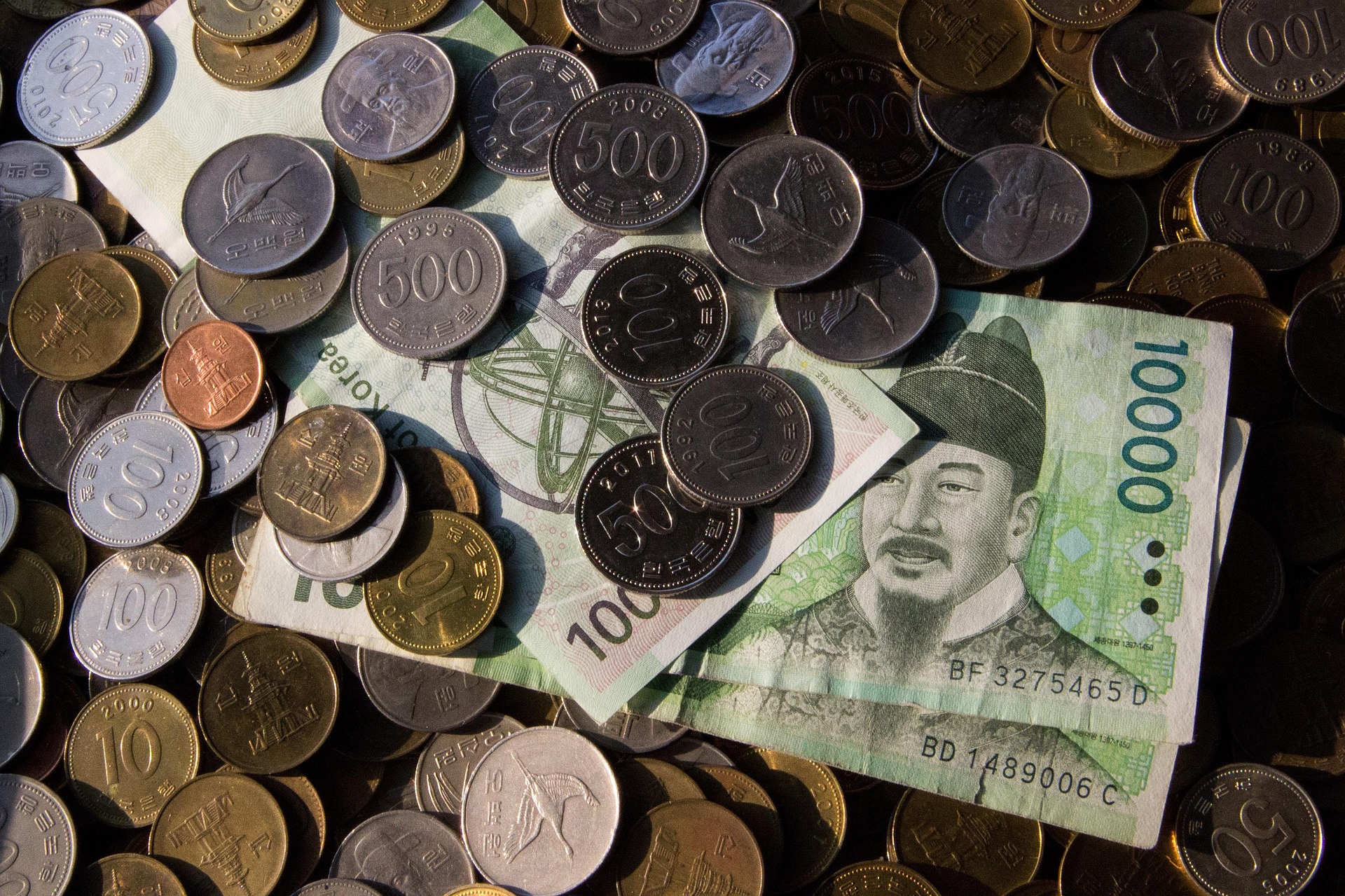
The bank teller stared at me. I stared back. Between us lay my passport, my alien registration card, and a form I’d filled out that was apparently completely wrong. She said something in Korean, gestured at the paper, and looked at me expectantly.
I had no idea what was happening.
This was my introduction to Korean banking, and honestly, it set the tone for my entire first month. Korean banks operate on a completely different system than what most foreigners are used to, and nobody—not your recruiter, not your orientation, not that one blog post you found at 2 AM—fully prepares you for the reality of it.
So let me be that person for you. Here’s everything I wish someone had told me before I walked into that bank.
You Actually Need a Bank Account Immediately
Unlike some countries where you can survive on credit cards and cash apps for a while, Korea is still very much a cash-and-bank-transfer society. Your hagwon will pay you via bank transfer. Your utilities get auto-debited from your account. Your phone bill, your transit card, even splitting the bill at restaurants—it all runs through your bank account.
You need to set this up within your first week, ideally your first few days. Don’t put it off.
The Alien Registration Card Comes First
Here’s the catch-22 that frustrates every new teacher: you need an Alien Registration Card (ARC) to open a bank account. But you can’t get your ARC until you’ve been in Korea for a bit and processed the paperwork.
Most teachers arrive on a Friday, spend the weekend settling in, and then go with their school contact to apply for their ARC on Monday or Tuesday. The card takes about 7-10 days to process. Only then can you open a bank account.
This means your first paycheck might come before you have a bank account set up. Don’t panic. Your school will hold it and deposit it once your account is open, or in some cases, they’ll issue a temporary cash payment. Ask your school contact how they handle this.
Which Bank Should You Choose?
The major banks foreigners typically use are:
Shinhan Bank – This is probably the most foreigner-friendly option. Many branches have English-speaking staff, their mobile app has an English interface, and they’re everywhere. This is what I used and what I recommend for most people.
Woori Bank – Also popular with foreigners, decent English support, widespread branches.
KB Kookmin Bank – Korea’s largest bank, though historically less foreigner-friendly. This has improved, but the app interface can be tricky for non-Korean speakers.
KEB Hana Bank – Good option, especially if you need to make international transfers frequently.
Kakao Bank – This is an online-only bank that’s become popular with younger Koreans. You can set it up entirely through an app, but you’ll need to read Korean or have a Korean friend help you. The benefits include no fees for many services and 24/7 customer service. However, it’s harder to resolve issues without speaking Korean.
My advice? Go with Shinhan or Woori unless you have a specific reason to choose differently. The convenience of English support outweighs any minor differences in services.
What to Bring to Open Your Account
You’ll need:
- Your passport
- Your Alien Registration Card
- Your phone number (yes, you need a Korean phone number first—another fun catch-22)
- Cash for your initial deposit (usually 10,000-50,000 won, though some banks don’t require this)
- Your seal/stamp if you have one (more on this in a moment)
Some banks may also ask for:
- A copy of your employment contract
- Your school’s business registration number
- Proof of your address (your rental contract)
Call ahead or check the bank’s website to confirm what your specific branch requires. Requirements can vary slightly by location.
The Seal/Stamp Situation
In Korea, official documents often require a seal (도장, dojang) rather than a signature. Some banks will let you use a signature, but many prefer or require a seal.
You can buy a cheap seal at a stationery store or get one custom-made with your name (in Korean or Roman characters) for 10,000-30,000 won. Office supply stores near your school or apartment will have them, or look for a “도장” sign.
Here’s the important part: whatever seal you register at the bank, keep it safe and use the same one for all your banking. This is your official stamp for financial documents. Lose it, and you’ll have significant hassle updating your bank records.
I used a signature because my bank allowed it, but several of my friends went the seal route and found it actually simplified things for certain procedures.
The Account Opening Process
Go during off-peak hours—not lunch time (12-1 PM), not right after work hours. Mid-morning on a weekday is ideal. Bring a Korean-speaking friend if possible, though many banks in major cities have English support.
You’ll fill out an application form. Even if it’s in Korean, the staff will usually help you or provide an English version. You’ll provide your documents. You’ll register your seal or signature. You’ll receive your bankbook and debit card.
The bankbook (통장, tongjang) is a physical booklet that records your transactions. Yes, it’s old-school. Yes, you actually use it. Keep it somewhere safe—you’ll need it for certain transactions.
Your debit card typically arrives immediately or within a few days. Some banks issue temporary cards while the permanent one is mailed to your address.
Understanding Korean Bank Cards
Your Korean debit card is not like Western debit cards. It’s more limited in some ways, more versatile in others.
What it does:
- Withdraws cash from ATMs
- Makes purchases at stores in Korea
- Gets auto-debited for bills
- Allows bank transfers through ATMs or apps
What it often doesn’t do:
- Work for international online purchases (you’ll need a credit card for this)
- Work as a credit card with purchase protection
- Link easily to international services like PayPal or Amazon
For online shopping on international sites, most teachers end up keeping a bank account from home or getting a Korean credit card later.
The Mobile Banking App Is Essential
Download your bank’s mobile app immediately. This is how you’ll do 90% of your banking in Korea. The app lets you:
- Check your balance
- Transfer money
- Pay bills
- Manage auto-payments
- Load transit card money remotely (for certain transit cards)
Setting up the app requires:
- Your bank account number
- Your phone number registered with the bank
- Identity verification (usually via your ARC number)
- Creation of a security certificate
The security certificate is a Korean banking thing—it’s a digital credential that proves your identity for online transactions. The app will walk you through creating it, but it can be confusing. Ask the bank staff to help you set this up before you leave the branch.
PIN Codes and Security
You’ll create several PIN codes:
- Card PIN – For ATM withdrawals and in-person purchases (4 digits)
- Account password – For bank transfers at ATMs (usually 4 digits)
- App login – For your mobile banking app (can be PIN, pattern, or biometric)
- Transfer password – For authorizing transfers through the app (4-6 digits)
Write these down and keep them somewhere secure. Resetting them requires visiting a branch with your ID, which is a hassle you want to avoid.
Korean ATMs will eat your card after three incorrect PIN attempts. I watched this happen to a friend, and it required a branch visit to resolve. Don’t let this be you.
Making Transfers: The Korean Way
Koreans use bank transfers like Americans use Venmo. Splitting dinner? Bank transfer. Paying your share of a taxi? Bank transfer. Sending money to a friend? Bank transfer.
To transfer money, you need:
- The recipient’s bank name
- The recipient’s account number
- The recipient’s name (to verify you’re sending to the right person)
You can do this through:
- Mobile app – Easiest method, instant transfer
- ATM – Select “transfer,” choose the bank, enter account number
- Bank teller – For large amounts or if you’re having trouble with the machines
Transfers between accounts at the same bank are instant and free. Transfers to other banks are usually instant but may cost 200-500 won. After banking hours (usually after 4 PM on weekdays and on weekends), some transfers may be delayed until the next business day, though this is becoming less common.
The ATM Experience
Korean ATMs are incredibly sophisticated but can be overwhelming at first. Most have an English option—look for the language button.
Things to know:
- ATMs are everywhere—convenience stores, subway stations, banks, shopping centers
- Most accept foreign cards, but fees vary
- Bank-operated ATMs are free for that bank’s customers
- Convenience store ATMs charge 800-1,000 won per withdrawal for non-customers
- There’s usually a daily withdrawal limit (typically 500,000-1,000,000 won)
Some ATMs have additional functions like:
- Check deposit
- Coin deposit/exchange
- Utility bill payment
- Transit card recharge
- Cash transfer without account (remittance)
The machines will time out if you’re taking too long, so have your card and PIN ready before you start.
International Transfers: Sending Money Home
This is where Korean banking gets expensive. Traditional bank wire transfers charge high fees (usually 25,000-50,000 won) plus exchange rate markups.
Better options:
Wise (formerly TransferWise) – The most popular choice among expats. Much lower fees, better exchange rates, online process. You can send money from your Korean account to your home account in a few days.
Sentbe – Another good option with competitive rates, popular in Korea specifically.
Western Union – Available at many Korean post offices and banks, though usually more expensive than Wise or Sentbe.
Paypal – Works but has high fees and poor exchange rates. Not recommended for large transfers.
Set up your international transfer method early. Don’t wait until you desperately need to send money home and then discover the process takes several days and requires verification steps.
The Pension Refund Situation
If you work in Korea for less than 10 years, you can get a lump-sum refund of your pension contributions when you leave. This requires having your bank account active until the refund is processed.
Here’s the problem: most banks will close your account automatically when your ARC expires or shortly after you leave the country.
The solution: Before you leave Korea, ask your bank about maintaining your account specifically for pension refund purposes. Some banks will keep it open for 6-12 months if you explain this. Get this in writing or confirmed clearly.
Alternatively, you can have the pension refund sent to a Korean friend’s account, who can then forward it to you internationally (though this requires serious trust and may have tax implications for them).
Research the pension refund process well before your contract ends. It’s complicated, and the money involved is significant.
Tax Refunds and Your Bank Account
Similarly, if you’re entitled to a tax refund when you leave Korea, it will be deposited to a Korean bank account. The same account-closure issues apply.
Some people maintain their account access by keeping their Korean phone number active and the banking app installed, even after leaving the country. This lets them monitor for deposits and transfer money out once it arrives.
This is a gray area and not officially supported by all banks, but many expats do it successfully.
Common Banking Headaches
“The ATM ate my card” – Go to a branch with your passport and ARC. They can retrieve it or issue a new one.
“I forgot my PIN” – Branch visit required with ID. Cannot be reset online or by phone for security reasons.
“My app won’t work” – Security certificates expire. You may need to renew it through the app or at a branch. Also, Korean banking apps sometimes have mandatory updates that break functionality until you update.
“I can’t make this online purchase” – Your debit card likely doesn’t support international online transactions. You’ll need a Korean credit card or use a card from your home country.
“My account was frozen” – This sometimes happens if there’s unusual activity or if your ARC status needs verification. Branch visit required with all your documents.
Getting a Credit Card
After you’ve been in Korea for a few months and received a couple of paychecks, you can apply for a credit card. This is useful for:
- International online purchases
- Building credit for apartment rentals
- Certain Korean online shopping sites that prefer credit cards
- Rewards programs
Requirements typically include:
- Bank account at that institution
- Employment verification
- Minimum income (usually 1,000,000 won per month or more)
- At least 3-6 months of bank transaction history in Korea
Shinhan and other foreigner-friendly banks have credit cards designed for foreign residents. The application process can be done at a branch, and approval often takes 1-2 weeks.
Your credit limit will likely be low at first (1,000,000-2,000,000 won) and can increase over time with good payment history.
The Automatic Payment System
Setting up automatic payments (자동이체, jadongjiche) for bills is essential. This includes:
- Rent (if your landlord requires it)
- Utilities (electricity, gas, water)
- Phone bill
- Internet
- Gym membership
- Any subscription services
You can set these up:
- Through the service provider’s website or app
- At your bank through the mobile app
- At an ATM
- At a bank branch
Make sure you understand when payments will be withdrawn and keep sufficient funds in your account. Failed auto-payments can result in service interruption and reconnection fees.
Emergency Money Access
Keep some emergency cash at home (100,000-200,000 won). Korea is still surprisingly cash-dependent in some situations—small restaurants, markets, taxis in rural areas.
Also keep at least one method of accessing money from your home country, just in case. Whether that’s a debit card from your home bank, a credit card, or a backup account—don’t let your Korean account be your only financial lifeline.
The Peculiarities You’ll Learn
Korean banking has quirks that take time to understand:
- Many services shut down for maintenance overnight (usually 11:30 PM – 12:30 AM)
- Transfers over a certain amount may require additional verification
- Some banking functions only work during business hours, even online
- The exchange rate you see isn’t always the rate you get (there’s often a buy/sell spread)
- Depositing cash at an ATM can be finicky—crumpled bills often get rejected
- Your bankbook needs updating at ATMs periodically or it becomes “full”
None of these are dealbreakers, just things you adapt to.
The Banking Learning Curve
My first month banking in Korea, I felt incompetent. I couldn’t figure out the ATM. I accidentally sent a transfer to the wrong person (thankfully, a friend). I locked myself out of my banking app twice. I stood in bank lines holding my bankbook, hoping the teller would understand my butchered Korean.
By month three, I was confidently splitting bills via transfer, paying my utilities through the app, and explaining the banking system to newly arrived teachers.
It gets easier. The system that seems impossibly foreign at first becomes routine. You’ll develop your own shortcuts and preferences. You’ll figure out which convenience store has the best ATM. You’ll memorize your account number. You’ll stop panicking about every banking task.
Final Practical Tips
- Take a photo of your bankbook information page—you’ll need your account number constantly
- Save your bank’s customer service number in your phone (many have English support lines)
- Keep some cash on hand always—not everywhere takes cards
- Check your account regularly through the app—catch errors or fraudulent charges early
- Understand your school’s pay schedule and make sure you’re paid on time
- Keep all banking-related documents organized—you’ll need them for visa renewals and other admin tasks
The Bigger Picture
Korean banking seems complicated because it is—it’s a different system built on different assumptions and technologies. But it works, and it works well once you understand it.
The mobile banking infrastructure is actually more advanced than many Western countries in some ways. Real-time transfers, integrated bill pay, and comprehensive mobile access are the norm, not the exception.
Give yourself grace during the learning curve. Every foreign teacher has stood confused in a bank lobby or struggled with the app at 2 AM while trying to split the bill for chicken. You’re not alone in finding this challenging.
But once you’ve got it set up—account open, app installed, auto-payments running—your financial life in Korea becomes remarkably smooth. The initial hassle pays off in a system that actually works quite well for daily life.
Now go open that bank account. And maybe bring a Korean-speaking friend, just in case.
Related Articles
Full-Time Teaching Position in Seoul(Kindergarten & Elementary)– Quiet Area, Modern Housing, May/June Start
Seoul/Yangcheon-gu Posted by: Herald Academy Contact: heraldacademykinder@gmail.com FULL-TIME FOREIGN TEACHER OPENINGSStart: May 2026Salary: 2.4 – 2.6 million KRWHousing: Provided (Modern, near subway)Visa: E-2 SponsoredEmail:...
CURRENT OPENINGS In Seoul: Opportunities to teach English in some of Seoul’s most popular locations!
All over Korea Posted by: Embark Recruiting Contact: derek.embark@theworknplay.com My name is Derek O’Grady, and I am the executive director for Embark Recruiting. Embark Recruiting started in 2003 as a Native English Teacher recruitment agency. We...
ASAP Elementary Teaching Jobs | Seoul / Seodaemun / Yeongtong | Up to 3.0M
Seoul Posted by: ASKETO We are currently hiring English teachers for elementary positions in Seoul and nearby areas.These are ASAP openings, and we are looking for teachers currently in Korea who can start soon. 1️⃣ Seodaemun, Seoul• Elementary students•...
HIGH PAYING JOBS ACROSS MAJOR CITIES IN SOUTH KOREA
South Korea Posted by: AMS Korea TEACH ENGLISH IN SOUTH KOREA Asia Marketing Services (AMS) is a recruiting firm that specializes in placing experienced and beginning ESL teachers in schools throughout South Korea. We are looking for qualified candidates to fill...
- Korean Banking for Beginners: Setting Up Your Financial Life
- How to Survive Your First Week at a Korean Hagwon

- The Truth About TEFL Certifications: What Korean Hagwons Actually Care About

- Korean Visa Process for Hagwon Teachers: Step-by-Step Guide
- Why Incheon is Korea’s Gateway City for ESL Teachers