Staff Dinners and Hweshik: Mandatory Fun in Korean Work Culture
October 26, 2026

The text message came at 4:47 PM on a Wednesday: “Hweshik tonight! 6:30! Don’t be late! 😊”
I stared at my phone, mentally kissing my evening plans goodbye. This would be my third staff dinner in two weeks. My co-teacher noticed my expression and laughed. “Welcome to Korea,” she said. “We suffer together.”
But here’s the plot twist I didn’t see coming: after a year of these “mandatory fun” events, I actually started looking forward to them. Somewhere between the soju bombs and the noraebang sessions that lasted until midnight, these dinners stopped feeling like work obligations and started feeling like… well, actually kind of fun.
Let me explain.
The Invitation (Which Is Not Really an Invitation)
First, let’s clarify something important: when your director says “We’re having hweshik tonight,” that’s not an invitation. It’s not a suggestion. It’s a fact about your immediate future. The appropriate response is not “Oh, I have plans” but rather “What time and where?”
I learned this the hard way when I tried to bow out of my second-ever staff dinner because I’d planned to video chat with my parents. My co-teacher’s eyes went wide. “Just… say you’ll come,” she whispered. “Call your parents tomorrow.”
She was right. Showing up to hweshik is part of your job in Korea, just like grading papers or showing up on time. Once I accepted this reality instead of fighting it, everything got easier. These dinners weren’t interrupting my life—they were part of the social fabric that made work relationships actually work.
The Unspoken Seating Hierarchy
You’ll notice that where people sit is not random. The director sits at the head. Senior staff flank them. The youngest teacher sits closest to the door (that’s the “action seat” where you’re expected to help serve or call staff over). As the foreign teacher, you’re usually placed somewhere in the middle-to-upper range—honorary status for being a guest in the country.
Nobody will explain this to you. You’ll just notice people gravitating to certain spots, and you should pay attention. I once accidentally sat in the senior vice principal’s usual spot and the awkward shuffling that followed taught me more about Korean workplace hierarchy than any orientation ever could.
But honestly? Once you know the system, it’s kind of comforting. There’s no anxiety about where to sit. The social order is clear, and you can relax into it.
The Food Will Be Incredible (and Endless)
Korean staff dinners are not pizza-in-the-break-room affairs. We’re talking multiple courses at actual restaurants. Galbi that melts off the bone. Sizzling samgyeopsal. Fresh sashimi. Spicy jjigae that clears your sinuses. Banchan covering every inch of the table.
And just when you think you’re full, someone orders more food. “We need more meat!” “Should we get pajeon?” “The kimchi jjigae here is famous!” You’ll learn to pace yourself, wearing stretchy pants, and accepting that you’re going to eat approximately three dinners’ worth of food.
The director usually pays for everything. This is expected—they’re the highest-ranking person, and treating the staff is part of their role. Don’t reach for your wallet. Don’t even pretend to reach for your wallet. Just say “잘 먹겠습니다” (I will eat well) and “잘 먹었습니다” (I ate well) and be genuinely grateful, because the food is legitimately amazing.
The Soju Will Flow (Whether You Want It To or Not)
Here’s where things get interesting. In Korea, drinking together is bonding. The director will pour you a drink. You receive it with two hands. You turn slightly away and drink. Then you pour them a drink. It’s a whole choreographed dance of respect and hierarchy.
The first time someone did a soju bomb in front of me—dropping a shot of soju into a glass of beer—I thought they’d made a mistake. Nope. That’s 소맥 (somaek), and it’s a hweshik staple. People will cheer when you make one. There are different bomb techniques. There are drinking games with complicated rules about multiples of three. It’s an entire subculture.
But here’s what I learned: you don’t actually have to drink alcohol if you don’t want to. Say you’re taking medication, you have a health condition, or you just don’t drink—most people will respect it. Someone will make sure you have cola or juice. Yes, there might be some gentle teasing, but it’s not the social death sentence you might fear.
That said, if you do drink, pace yourself. These dinners can last four hours. There’s a reason Koreans say “1차, 2차, 3차” (round one, round two, round three). The restaurant is just the beginning.
The After-Party Is Where the Magic Happens
Around 9 PM, someone will suggest moving to “round two.” This might be a pojangmacha (street tent bar), a café, or most likely, noraebang (karaoke).
This is where I fell in love with Korean work culture.
Because here’s the thing: at noraebang, the hierarchy relaxes. Your normally stern vice principal will belt out 1980s ballads with shocking emotion. The quiet administrative assistant who barely speaks in meetings will absolutely destroy a Blackpink song. Your director will do the choreography to “Sorry Sorry” by Super Junior, and everyone will cheer like they’re at a concert.
I watched my co-teacher—this soft-spoken woman who carefully measured every word at school—perform “Bohemian Rhapsody” with full Freddie Mercury theatrics. That’s when I understood: hweshik is pressure-release. It’s where people show you who they are when they’re not being Professional Korean Worker.
Your Song Choice Matters (Kind of)
You will be asked to sing. This is non-negotiable. Have a song ready. I recommend something everyone knows—”Don’t Stop Believin'” works, “Hey Jude” works, anything by ABBA works. Bonus points if you learn a Korean song. The day I attempted “눈의 꽃” (Snow Flower), my coworkers lost their minds with delight.
Don’t worry about being good. Literally nobody cares if you can sing. They care that you’re trying, that you’re participating, that you’re not sitting in the corner on your phone. The worst thing you can do at noraebang is not sing at all.
My director, who terrified me during my first month, became a completely different person after I sang “I Want It That Way” with genuine enthusiasm. The next Monday at school, she smiled at me in the hallway. That’s the power of noraebang bonding.
The Taxi Scramble
Around 11 PM or midnight, people start calling taxis. There’s always a moment of chaos—”Who lives in which direction?” “Should we share?” “Is anyone taking the subway?”
Pay attention to who offers to drop you off. Accept these offers. This is relationship-building. Some of my best conversations with coworkers happened in taxis after hweshik, when everyone was tired and loose and honest in a way they’d never be at school.
Also, learn your address in Korean. Write it down in Korean characters. Have it saved on your phone. Trying to explain to a taxi driver how to get to your apartment while tipsy and exhausted is a special kind of challenge.
The Next-Day Dance
The morning after hweshik, everyone will be slightly hungover and definitely tired. There’s an unspoken agreement to be gentle with each other. Coffee consumption triples. Someone will mention how late everyone stayed out, and everyone will laugh-groan in solidarity.
This is important: you still show up on time. You still do your job. But there’s a camaraderie now. You suffered together. You saw each other be silly. You’re not just coworkers anymore—you’re people who’ve survived something together, even if that something was just too much soju and a four-hour karaoke session.
What I Actually Learned from Mandatory Fun
It took me months to understand that hweshik serves a purpose beyond just drinking and eating. In Korean work culture, relationships are everything. You can’t just be good at your job—you need to be part of the team in a deeper way. Hweshik is where that happens.
At school, everyone is polite but distant. At hweshik, you learn that Ms. Kim is saving up to buy an apartment. Mr. Park is worried about his daughter’s university entrance exams. The director actually has a great sense of humor but can’t show it at work because of their position. These dinners crack open the professional facade and let you see the humans underneath.
I started to understand why my coteacher insisted I come to that second dinner instead of video chatting with my parents. It wasn’t about the dinner itself—it was about showing the team I was choosing them, investing in relationships, becoming part of the group. In Korea, that matters more than almost anything else.
The Real Rules of Hweshik Survival
Accept that you’re going. Fighting it just makes you miserable. Embrace it, and you might actually have fun.
Eat the food enthusiastically. Compliment the restaurant. Say everything is delicious. This makes your director happy and costs you nothing.
Learn the drinking etiquette. Two hands when receiving. Turn away when drinking. Pour for others. Even if you’re not drinking alcohol, you can still participate in the ritual with your juice.
Sing at noraebang. Pick something. Anything. Stand up, hold the microphone, and commit to it. This single action will earn you more social capital than six months of perfect lesson plans.
Don’t be the first to leave. But also don’t be the last unless you’re genuinely having fun. Watch when mid-level teachers start making exit moves, and follow their lead.
Show up to work the next day ready to laugh about it. This is part of the ritual. The shared exhaustion is bonding.
When Hweshik Gets Actually Fun
My turning point came during a summer staff dinner. We’d gone to a seafood restaurant, then to noraebang, and then somehow ended up at a 24-hour café at 2 AM. I was tired, overfed, and wondering how my life had led to this moment.
And then my vice principal—this serious woman in her 50s who’d barely spoken to me beyond polite greetings—started showing me photos of her childhood. Her family’s farm. Her children as babies. Her voice got soft and nostalgic, and we talked about missing home and feeling foreign even in familiar places. She’d lived in the U.S. for two years in her twenties and never really talked about it at school.
“You remind me of how I felt then,” she said. “Everything is strange and you don’t know the rules.”
The next week at school, she checked in on how I was adjusting. She offered to help me find a better apartment. She became an ally, and it all traced back to that 2 AM conversation that never would have happened without hweshik.
That’s when I got it. These dinners aren’t really about the food or the drinking. They’re about creating the space for those conversations to happen. They’re about seeing each other as whole people instead of just job titles. They’re about building the kind of relationships that make working together actually pleasant.
The Things Nobody Tells You
You’ll feel awkward at your first few hweshik events. That’s normal. Watch what others do and follow their lead. Koreans are generally understanding that foreigners don’t know all the rules, and they’ll appreciate your effort to participate.
The hangovers are real. Keep pain relievers in your desk. Drink a lot of water before bed. Korean hangover soup (해장국) is not a myth—it genuinely helps.
You might actually miss hweshik when you leave Korea. I know I did. There’s something about that specific combination of good food, silly karaoke, and coworker bonding that doesn’t quite exist in the same way back home.
The Gift of Mandatory Fun
Looking back, some of my favorite memories from Korea happened at hweshik. Dancing to “Gangnam Style” with my director. Teaching my coworkers “Wonderwall” and hearing them sing it at every subsequent noraebang session. The night we stayed out until 4 AM and watched the sunrise from a convenience store parking lot, eating ramen and laughing about nothing.
Were these dinners mandatory? Yes. Did I sometimes wish I could just go home and watch Netflix? Absolutely. But did they fundamentally change my experience of working in Korea? Without question.
So when that text comes at 4:47 PM announcing hweshik, take a deep breath, text back a thumbs up emoji, and put on comfortable pants. You’re about to eat too much, possibly sing badly, definitely stay out too late, and somehow, improbably, have a really good time.
That’s the magic of mandatory fun: sometimes the best nights are the ones you didn’t choose.
Related Articles
Navigating South Korea as a Vegan or Vegetarian
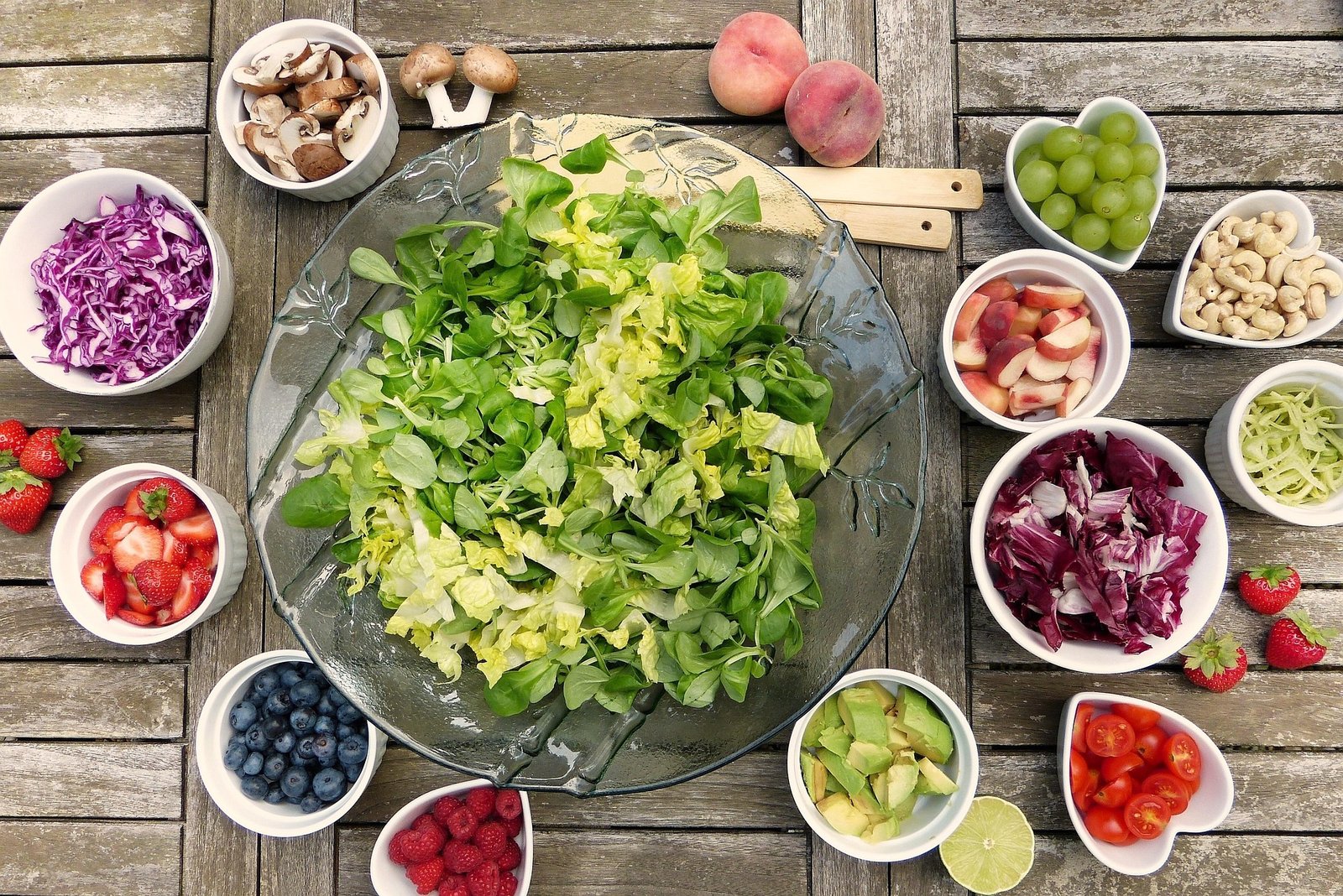
Being a vegan or vegetarian in South Korea used to be a major challenge, but the country’s plant-based scene has grown rapidly in recent years. While major cities like Seoul, Busan, and Daegu host a growing number of dedicated vegan cafes and plant-based restaurants,…

[Busan] January, 2027 Start: Full-time English Instructor(E2 Visa Sponsored)
[Full-time English Teacher in Busan – Near Dong-eui Univ. Stn] Busan – Near Dong-eui Univ. Stn Posted by: JINGU LINGUA INSTITUTE School: JINGU LINGUA INSTITUTE Location: Central Busan ( 3 -min walk from Dong-eui Univ. Station, Line 2)…

2026 Winter English Camp Teachers Wanted
Why Soongsil English Camp? • Join us for our 40th session at one of Korea’s leading elementary English camps. • Structured curriculum and various materials are ready for teachers. • Most of our teachers return every season. Qualifications • Citizen of one of…
Great positions available(mainly 2027 year)
We Are Hiring Native ESL Teachers in Korea. We are a licensed recruitment agency in placing qualified native English-speaking instructors at reputable private language institutes (hagwons) nationwide. 1. E School (Suwon-Seoul metro area)) Students: Kinder/elementary…