The Countryside Advantage: Top 10 Rural and Suburban ESL Teaching Destinations in South Korea
While Seoul’s glittering skyline and 24-hour neon energy dominate online expat forums, a growing number of ESL teachers in South Korea actively turn down capital placements in favor of the provinces.
In Korea, “countryside” (sigol) rarely means living off the grid in a remote cabin. Instead, it refers to regional cities, coastal counties, and agricultural hubs where life moves at a human pace. Teaching in these areas through programs like EPIK or regional private academies offers lower living costs, significantly larger modern apartments, cleaner air, and a level of community warmth that is almost impossible to find in a hyper-dense megacity.
Whether you are looking to slash your cost of living, immerse yourself in authentic local culture, or spend your weekends hiking, surfing, and cycling, here is the deep-dive guide to the top 10 countryside and regional ESL teaching destinations in South Korea.
1. Sokcho & Gangneung (Gangwon-do)
East Coast Ocean Breezes & Seoraksan National Park
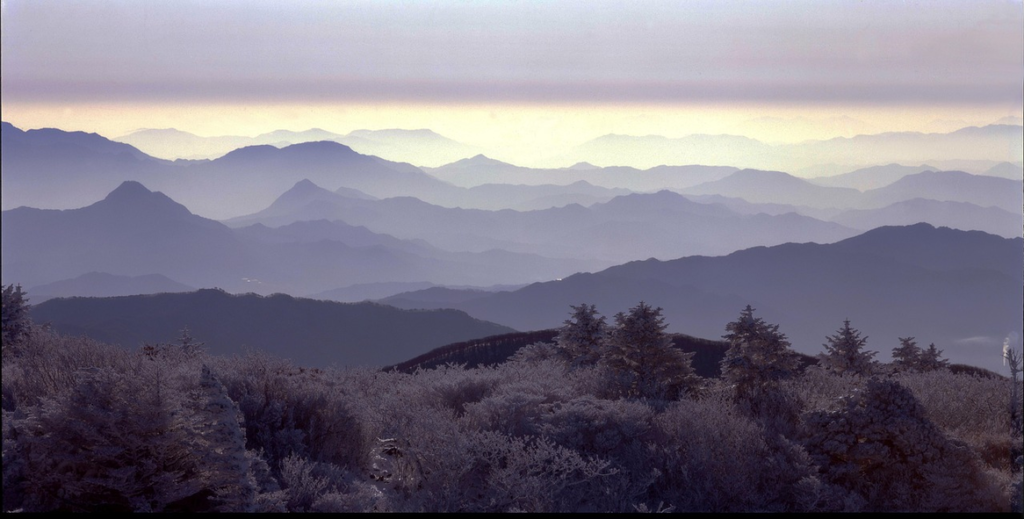
Located on the rugged northeastern coastline between the majestic peaks of Seoraksan National Park and the deep blue East Sea, Gangneung and Sokcho offer an unmatched lifestyle for nature lovers. Famous for pine-fringed white-sand beaches, coffee culture, and fresh seafood, this coastal stretch feels like a permanent vacation.
The Expat Reality
Living on the East Coast means your weekends are spent surfing at Anmok Beach, hiking jagged mountain ridges, or exploring local night markets. Because it’s a major domestic tourism hub, the infrastructure is surprisingly robust while retaining a slower, small-town rhythm.
Pros
-
Stunning Natural Playground: Unbeatable access to both Korea’s premier mountain park and sandy ocean beaches right outside your door.
-
Thriving Cafe Scene: Gangneung is famous across Korea for its artisanal coffee roasting heritage and independent beachside cafes.
-
Friendly Community: Smaller expat networks mean closer bonds and a more immersive cultural experience.
Cons
-
Slower Winter Season: Winter winds off the ocean can be fierce, and many beachside towns go quiet between November and February.
-
Limited Late-Night Public Transit: Buses stop running earlier than in Seoul, making taxis or bicycles necessary for late nights out.
2. Chuncheon (Gangwon-do)
The Lake District & Outdoor Cycling Capital
Surrounded on three sides by glittering lakes and steep green mountains, Chuncheon is the capital of Gangwon Province. Famous for its culinary specialty (dakgalbi, spicy stir-fried chicken) and its scenic bicycle paths built over abandoned railway lines, it is a haven for active teachers.
The Expat Reality
Chuncheon offers a distinct “college town meets lake resort” atmosphere. Home to Kangwon National University, it balances a youthful energy with the peaceful tranquility of lakeside living.
Pros
-
Scenic Waterway Access: Namisami Island, Soyang Lake, and riverside bike trails provide endless weekend recreation.
-
ITX Train Convenience: The ITX-Cheongchun train gets you from Chuncheon straight to Seoul’s Yongsan Station in just over an hour.
-
Spacious Living: Apartments provided here are often significantly larger and newer than cramped Seoul one-rooms.
Cons
-
Intense Seasonal Weather: Winters are notably colder and snowier than in Seoul, while summers can trap heat in the surrounding mountain basin.
-
Smaller Nightlife Footprint: Nightlife centers around university strips and winds down much earlier during the week.
3. Gyeongju (Gyeongsangbuk-do)
The Living Museum & Ancient Capital
Gyeongju served as the capital of the ancient Silla Kingdom for nearly a thousand years. Today, the entire city functions as an open-air museum dotted with royal burial mounds, ancient temple ruins, lotus ponds, and traditional tile-roofed hanok architecture.
The Expat Reality
If you have a passion for history, archaeology, and quiet aesthetic beauty, Gyeongju is magical. There are strict building height restrictions across much of the city, meaning you won’t find towering concrete jungles here—just low-rise charm, ancient trees, and biking paths.
Pros
-
Unmatched Historical Immersion: Temples like Bulguksa and the grotto of Seokguram are UNESCO World Heritage sites right in your backyard.
-
Peaceful, Bicycle-Friendly Layout: Flat terrain and extensive bike lanes make cycling the primary and most pleasant way to commute.
-
Proximity to Major Hubs: Located just 30 minutes from both Pohang (coast) and Daegu (metropolis) via regional transport.
Cons
-
Tourist Crowds: Historic zones and major sites draw heavy domestic school groups and tourists on weekends.
-
Limited Foreign Amenities: Western grocery items and international dining options are sparse compared to northern provincial cities.
4. Jeonju (Jeollabuk-do)
The Culinary Heart & Traditional Hanok Village
Jeonju is universally recognized across South Korea as the nation’s food capital—famous as the birthplace of bibimbap and home to rich street food culture, artisanal rice wines, and the stunning Jeonju Hanok Village comprising over 800 traditional Korean houses.
The Expat Reality
Living in Jeonju means exceptional food is woven into daily life. It is a regional cultural hub that hosts major international film festivals, music events, and craft markets, giving it a vibrant artistic soul without big-city stress.
Pros
-
World-Class Food Culture: Incredible local restaurants, night markets, and culinary traditions at very affordable local prices.
-
Cultural Vibrancy: Constant festivals, artisan workshops, and traditional performances throughout the year.
-
Affordable Cost of Living: Rent, dining out, and personal services are noticeably cheaper than in Seoul or Busan.
Cons
-
Inconvenient Direct Train Links: While accessible via KTX, getting to certain other regions requires multiple bus transfers.
-
Humid Summers: The inland basin geography traps summer heat and humidity, making July and August quite sticky.
5. Yeosu (Jeollanam-do)
The Romantic Southern Coastal Port
Made famous across Korea by romantic ballads and sparkling night ocean views, Yeosu is a stunning port city spread across a series of peninsulas and islands along the southern coast. It boasts cable cars over the sea, fresh seafood markets, and mild coastal winters.
The Expat Reality
If you want ocean breezes, fresh sashimi, island-hopping weekend adventures, and a slower southern pace of life, Yeosu delivers. It feels like a vibrant Mediterranean port town transplanted into South Korea.
Pros
-
Breathtaking Coastal Scenery: Dramatic ocean views, coastal walking trails, and bridges connecting scenic offshore islands.
-
Mild Winter Climate: Located far south, winters are much gentler and less punishing than in Seoul or Gangwon.
-
Emerging Expat Community: A growing international community centered around English teaching programs and local marine industries.
Cons
-
Geographically Isolated: Situated on the far southern tip of the peninsula, traveling north to Seoul takes over three hours by KTX.
-
Industrial Pockets: Port sectors feature heavy industrial shipyards and chemical plants that contrast with the scenic tourist zones.
6. Andong (Gyeongsangbuk-do)
The Spiritual Home of Korean Confucianism
Andong is a deeply traditional inland city nestled along the Nakdong River. It is famous for the Hahoe Folk Village (where traditional clan culture is still preserved), wooden mask dances, regional Confucian academies, and the famous Andong steamed chicken (jjimdak).
The Expat Reality
Andong offers an authentic, unadulterated window into old-world Korea. For adventurous teachers who want total cultural immersion and a break from Western modernization, it is an inspiring and grounding place to live.
Pros
-
Deep Cultural Heritage: Living surrounded by ancient Confucian traditions, folk villages, and mountain valley temples.
-
Stunning River & Mountain Scenery: Surrounded by steep gorges, pristine rivers, and quiet hiking trails.
-
Maximum Savings Potential: With very few distractions or high-end commercial temptations, saving money is remarkably easy.
Cons
-
Deep Cultural Isolation: The local population is older and traditional; adjusting to life without an English-speaking safety net can test new arrivals.
-
Conservative Social Atmosphere: Social norms are more traditional, requiring greater cultural sensitivity and adaptation.
7. Namhae Island (Gyeongsangnam-do)
Terraced Rice Paddies & German Village
Namhae is an island county connected to the mainland by grand suspension bridges, characterized by terraced green rice paddies cascading down green hillsides toward the emerald sea, hidden fishing coves, and a unique German expatriate village built into the hills.
The Expat Reality
Living on Namhae is true rural island life. You will know your local grocer, wave to your neighbors, and spend weekends discovering hidden pebble beaches and coastal fishing hamlets. It is exceptionally peaceful.
Pros
-
Absolute Tranquility: Clean sea air, zero traffic congestion, starry night skies, and profound peace and quiet.
-
Unique Local Culture: From German-style beer houses to traditional fishing villages, the island has a quirky, creative charm.
-
Slow-Living Haven: Perfect for writers, artists, and teachers looking to unplug and decompress.
Cons
-
Car Dependency is Mandatory: Public buses run infrequently; living here comfortably almost requires owning or leasing a car or scooter.
-
Extreme Isolation in Winter: Tourist spots close down in the off-season, and social options become very limited.
8. Jeju City & Seogwipo (Jeju Island)
Volcanic Island Paradise & Subtropical Climate
While technically an island province rather than mainland countryside, Jeju offers the ultimate escape from urban Korea. Split between Jeju City in the north and Seogwipo in the south, the island features dormant volcanic craters, cascading waterfalls, tangerine orchards, and volcanic rock coastline.
The Expat Reality
Jeju is Korea’s premier lifestyle destination. It hosts the largest and most established non-Seoul expat community in the country, driven by English teachers, digital nomads, surfers, and hikers.
Pros
-
Subtropical Nature & Surfing: Mild winters, palm trees, ocean swimming, and world-class hiking along the Olle trails.
-
Established Expat Network: Finding hiking clubs, surf schools, yoga groups, and English-speaking friends is effortless.
-
Island Lifestyle: A completely different pace of life compared to the mainland concrete grid.
Cons
-
Rising Cost of Living: Rent and dining costs on Jeju have climbed significantly due to its popularity as a domestic vacation hotspot.
-
Flight Dependency: Leaving the island for the mainland requires booking domestic flights, which can add up during holidays.
9. Ganghwa Island (Incheon Metropolitan City)
Historic Rural Haven Near the Capital
Though administratively part of Incheon, Ganghwa Island feels worlds away from the city. Connected by large bridges to the mainland northwest of Seoul, it is an agricultural and historic island filled with ancient dolmens, quiet tidal flats, ginseng farms, and hillside temples.
The Expat Reality
Ganghwa offers the best of both worlds: rural peace, large housing, and mountain air, yet close enough to Seoul that you can easily take a weekend trip into the capital whenever you crave city lights.
Pros
-
Proximity to Seoul: Easy weekend access to the capital via regional buses while living in a peaceful rural county.
-
Rich Historic Landmarks: Prehistoric dolmen sites, fortress walls, and royal sanctuaries dot the countryside.
-
Agricultural Abundance: Local organic produce, farm stands, and quiet coastal sunsets.
Cons
-
Commuting Complications: If placed in a remote school on the island, local bus routes can involve long waiting times.
-
Misty Coastal Weather: Can experience heavy sea fogs and dampness during seasonal transitions.
10. Buyeo (Chungcheongnam-do)
The Quiet Riverside Kingdom
Buyeo was the final capital of the ancient Baekje Kingdom. Today, it is a sleepy, picturesque agricultural county town nestled along the wide Geum River, surrounded by lotus fields, ancient fortress mounds, and quiet rural neighborhoods.
The Expat Reality
Buyeo is as close to classic, unhurried small-town Korea as you can get. Life revolves around the river, local markets, and seasonal farming cycles. It is deeply peaceful, highly economical, and profoundly welcoming.
Pros
-
Ultra-Low Cost of Living: Your monthly expenses will plummet, allowing for massive personal savings or travel funds.
-
Profound Local Hospitality: Small-town residents are notoriously warm, often showering foreign teachers with local produce and kindness.
-
Central Geographic Location: Situated centrally in Chungcheongnam-do, making weekend travel to Seoul, Daejeon, or the coast relatively straightforward.
Cons
-
Very Limited Expat Infrastructure: You will likely be the only foreigner at your school and possibly in your neighborhood, requiring self-reliance.
-
Quiet Nightlife: Entertainment is self-made; restaurants and shops close early, and local social life centers around family-run diners.
Comparative Countryside Matrix
| Destination | Region | Vibe / Landscape | Primary Advantage | Main Drawback |
| Sokcho / Gangneung | Gangwon-do | Coastal & Mountain | Beaches, surf, coffee culture | Winter winds & seasonal quiet |
| Chuncheon | Gangwon-do | Lakes & Mountains | Scenic bike trails, ITX train to Seoul | Cold winters & inland summer heat |
| Gyeongju | Gyeongsangbuk-do | Ancient Capital | Rich history, flat bike-friendly streets | Weekend domestic tourist crowds |
| Jeonju | Jeollabuk-do | Cultural & Culinary | World-class food, arts festivals | Inland humidity in peak summer |
| Yeosu | Jeollanam-do | Southern Port | Ocean views, mild winters | Far from northern urban hubs |
| Andong | Gyeongsangbuk-do | Traditional Inland | Deep Confucian heritage & max savings | Traditional isolation & adjustment curve |
| Namhae Island | Gyeongsangnam-do | Rural Island | Absolute peace, coastal beauty | Car dependency & winter quiet |
| Jeju Island | Jeju Province | Subtropical Volcanic | Established expat community, surf/hike | Higher cost of living & island isolation |
| Ganghwa Island | Incheon | Historic Rural | Countryside living near Seoul | Island bus schedules can be slow |
| Buyeo | Chungcheongnam-do | Riverside Agricultural | Lowest living costs & warm locals | Very few Western amenities |
4 Crucial Survival Tips for Countryside ESL Teaching
Teaching in the provinces requires a slightly different survival toolkit than navigating Seoul. Here is what you need to know before touching down in the countryside:
1. Embrace the “Fish Out of Water” Spotlight
In Seoul, foreigners blend into the urban background. In a small countryside town or rural county, you will stand out immediately.
-
The Reality: Elderly grandmothers may stare, local elementary students will shout “Hello!” from across the street, and word travels fast through the local community.
-
The Mindset: View this not as intrusion, but as warmth. Being known by your local convenience store owner, bus driver, and fruit vendor builds a deep sense of localized security and belonging.
2. Learn Survival Korean Immediately
In Itaewon or Gangnam, you can easily survive without speaking Korean. In rural towns like Buyeo or Andong, English signage drops off sharply.
-
Key Phrases: Master basic numbers, dietary restrictions, directions, and polite greetings (Annyeonghaseyo, Gamsahamnida).
-
Digital Tools: Keep Papago downloaded on your phone for instant voice and image translation; rural shopkeepers are endlessly patient if you use translation apps to communicate.
3. Build a Hobby and Self-Entertainment Routine
Countryside living is slower and quieter. While the lack of distractions makes it easy to save money and read books, it can lead to cabin fever if you don’t stay active.
-
Action Steps: Pick up hiking, cycling, photography, or cooking. Join local community badminton clubs or gym centers. Having personal hobbies will transform provincial quiet from a challenge into a sanctuary.
4. Leverage KTX and Express Buses for Weekend Escapes
Even when living in remote counties, Korea’s regional transport network is world-class.
-
The Strategy: Use your weekdays to save money and enjoy the peaceful countryside air, then take advantage of Friday afternoon express buses or KTX trains to spend your weekends exploring Seoul, Busan, or regional coastal cities.